Functional Shots and the Deposit Return Scheme
The deposit return scheme, which came into effect on October 2025 in Poland, presents a direct challenge for companies in the food supplement industry and requires businesses to carefully review their product portfolios. Changes to waste legislation impose new obligations that directly affect costs and logistics processes. The scheme applies strict classification criteria that determine the administrative obligations and financial burdens imposed on each company. How do these rules apply to product formats such as functional shots?
Classification of supplement products under the new regulations
The deposit return scheme covers products sold in specific types of beverage packaging, including:
single-use plastic beverage bottles with a capacity of up to 3 litres;
metal cans with a capacity of up to 1 litre;
reusable glass bottles with a capacity of up to 1.5 litres.
Correctly classifying each type of packaging is essential for ensuring legal compliance. Identifying which products are subject to the deposit allows business owners to avoid penalties imposed by regulatory authorities.
A broad range of food supplements is entirely exempt from the new obligations. Solid formats and liquids that require dosing or dilution remain outside the scheme. This category includes capsules, tablets, powders, oils dispensed with a dropper, concentrates and syrups intended to be diluted with water.
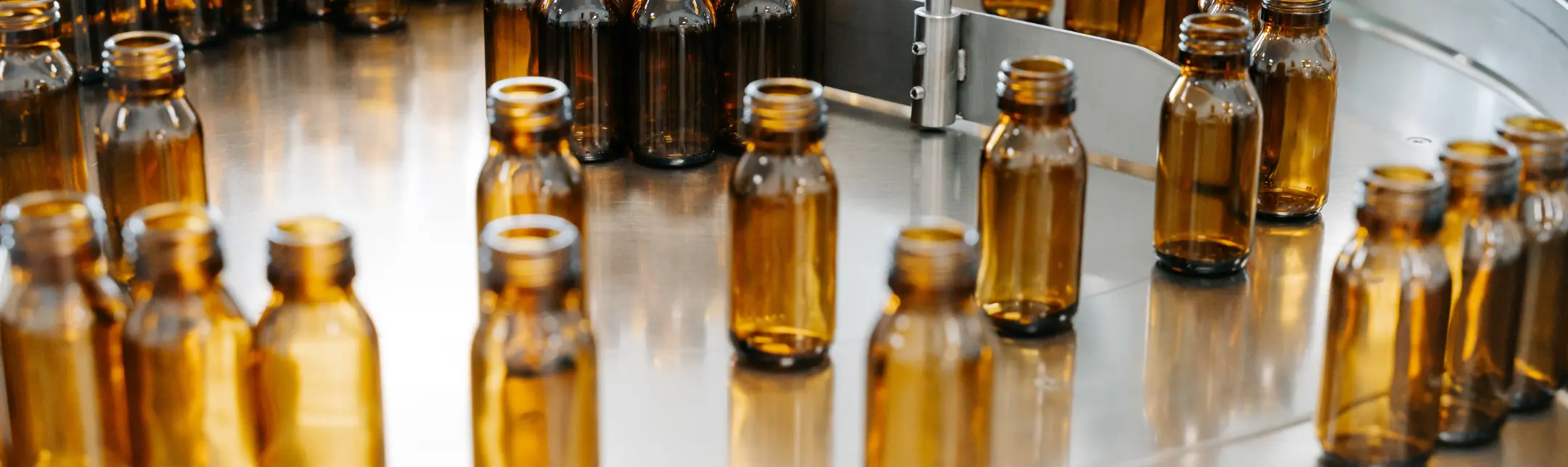
Supplements packaged in single-use glass bottles also remain outside the scheme. However, their status requires ongoing verification of the relevant documentation and confirmation of the packaging material by the supplier.
Small plastic bottles (PET) are treated differently. When liquid functional beverages are placed on the market in such packaging, the deposit becomes mandatory under the statutory definition of single-use packaging.
Why are functional shots in PET packaging subject to the deposit?
A product’s inclusion in the deposit return scheme is based on three fixed criteria: a beverage capacity of up to 3 litres, single-use PET packaging and suitability for direct consumption.
Under Article 8b of the Act of 13 June 2013 on the Management of Packaging and Packaging Waste (consolidated text: Journal of Laws of 2025, item 870, as amended), beverage packaging is defined as packaging for a liquid intended to be consumed directly without requiring any preparation. This excludes liquids classified as medicinal products, medical devices or foods for special medical purposes.
This means that the product’s intended method of use and the type of packaging determine whether it falls within the deposit return scheme. If a supplement is a ready-to-drink liquid sold in a single-use PET bottle with a capacity not exceeding 3 litres, it meets the statutory definition of a beverage and is subject to the obligations arising from the scheme.
The small volume of functional shots—usually 50–100 ml—their high concentration of active ingredients and their classification as food supplements are irrelevant in this regard. What matters is that they are intended for direct consumption and sold in single-use PET packaging.
[Discover the functional shots you can manufacture with us]
In practice, companies placing such products on the market must consider the deposit return scheme requirements as early as the product design and packaging selection stage. These requirements cover labelling, deposit settlement and cooperation with the scheme operator. From a contract manufacturer’s perspective, correctly classifying the packaging during product development helps avoid costly changes and reduces the risk of non-compliance with applicable regulations.
Legal compliance and essential packaging documentation
Maintaining thorough documentation supporting exemptions is essential for protecting the interests of distributors and brand owners. This applies primarily to supplements packaged in single-use glass containers. It is important to obtain declarations from packaging manufacturers or suppliers that clearly confirm the single-use nature of the glass packaging.
Collecting these declarations is a standard procedure that helps demonstrate compliance and reduce financial risk in the event of an inspection. A reliable contract manufacturer can significantly simplify the process of obtaining the necessary technical documentation and ensure that records are maintained in accordance with statutory requirements.
Logistics and contract filling for your brand under the new regulations
Businesses producing shots in plastic packaging must update their logistics operations as a matter of urgency. This includes introducing new barcodes, adding the required symbols to product labels and establishing formal cooperation with deposit return scheme operators.
Adapting to the new regulations requires careful packaging selection and structured process control. Contact us to arrange a professional product portfolio audit and begin safe, legally compliant contract manufacturing.
Bring your product to market
Contract manufacturing is one of the safest and most efficient ways to launch a new brand. It allows you to focus on strategy and sales while entrusting the technological and regulatory aspects to a partner who understands every stage of the process.
If you are planning to launch your own food supplement and want to navigate the process efficiently, confidently and without costly mistakes, contact us. We will help you turn your idea into a market-ready product.